Why Task-Level VM Isolation Is the Lean Team's Answer to Runaway Agent Side Effects
Per-task VMs, scoped credentials, and PR review contain what coding agents can do.
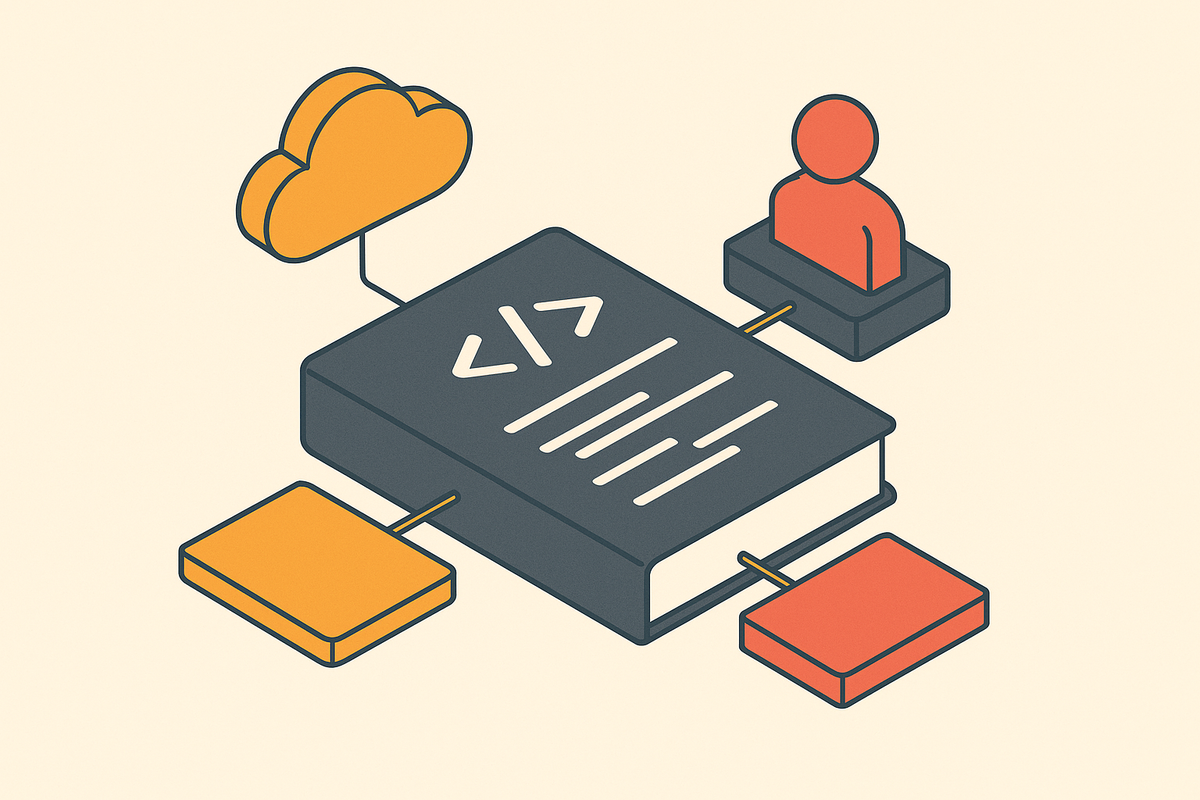
A bring-your-own API key cloud coding agent runner should give each task an isolated VM, keep credentials narrowly scoped and network access controlled, and return a pull request for a human to review. For lean teams that run Claude Code or Codex without managing infrastructure, task-level VM isolation is the least they need to put a boundary around what an agent can do. Support for a personal Anthropic or OpenAI API key is a separate requirement.
Why agents running on shared machines create risks that laptop-era security hygiene cannot fix
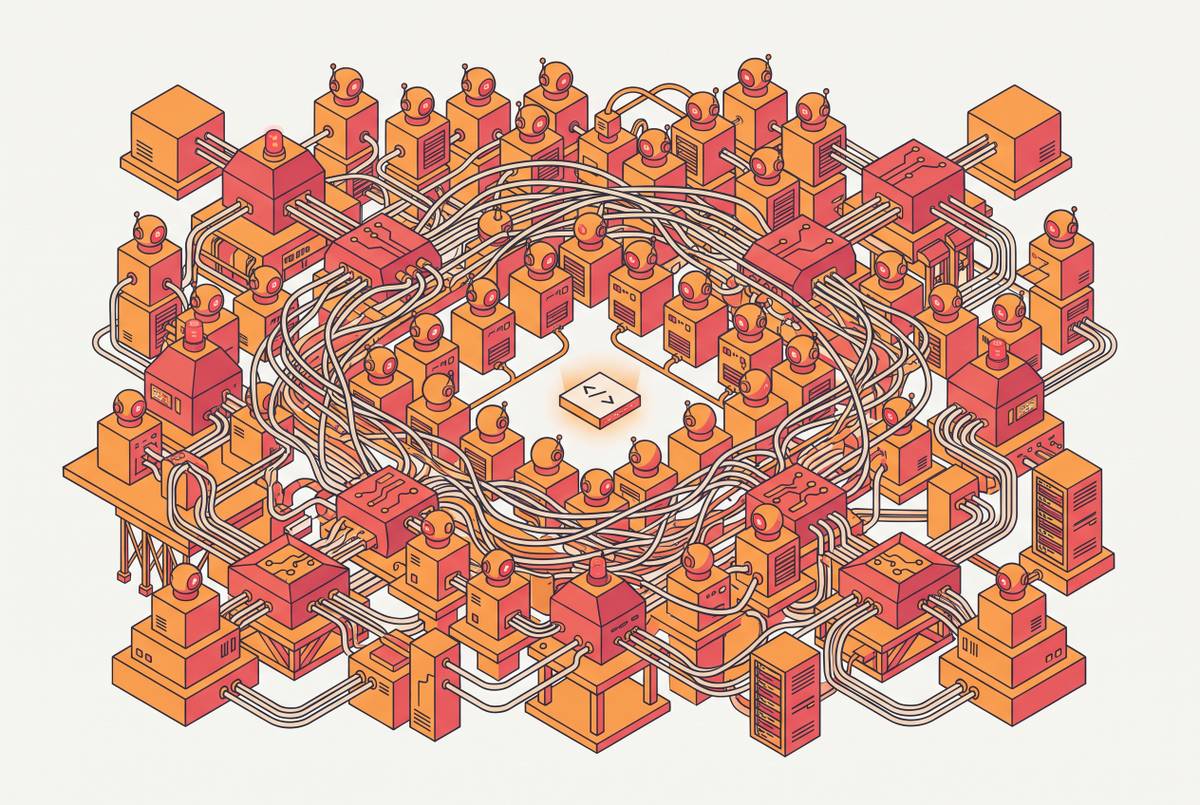
A stray path argument in an agent’s cleanup command can delete a developer’s home directory, along with the credentials, keys, and application data it holds. The failure mode is not theoretical. Coding agents run shell commands, install packages, call APIs, and push code with the permissions of the developer who launched them. On a shared machine, a mistaken instruction can therefore reach far beyond the repository the agent was supposed to change.
Human approval looks like a way to contain that reach, but repeated confirmations create approval fatigue. Routine approval can become a rubber stamp. The --dangerously-skip-permissions flag removes most guardrails explicitly, while habitual click-through can undermine them through inattention. The developer’s authority remains available to a system making decisions at agent speed.
Prompt injection adds an adversarial route to the same permissions. A web page, issue comment, or code comment can contain instructions that redirect the agent’s legitimate access. Simon Willison’s lethal trifecta identifies the dangerous combination as access to private data, exposure to untrusted content, and the ability to communicate externally. Meta’s Agents Rule of Two formalizes the constraint by allowing no more than two of those properties in an agent session. Lean teams lack the staff to compensate through shell-history audits, credential rotation after every run, or scrutiny of inherited environment variables.
Why OS-level sandboxes and containers fall short of the boundary lean teams actually need
The word “sandbox” does not describe one security boundary. Production approaches include OS-level process sandboxes such as Seatbelt and bubblewrap, user-space application kernels such as gVisor, microVMs such as Firecracker, dev containers, and full VMs. Their protections are not interchangeable. A process restriction, for example, does not necessarily separate the agent from host credentials or give it a kernel of its own. The distinction becomes decisive when an agent needs permission to execute.
OS-level process sandboxes leave important gaps when commands can read most of the host, including ~/.ssh and ~/.aws/credentials, and inherit environment variables containing secrets. CVE-2026-39861, published in April 2026 with a critical CVSS 10.0 rating, described a full sandbox bypass in Claude Code versions before 2.1.64, where the unsandboxed process followed symlinks created by a sandboxed process and wrote outside the workspace without user confirmation. Restrictions on one process are insufficient when another process can perform effects outside them.
Plain Docker containers create a different limitation because they share the host kernel. A container escape can expose other containers on that host, including those holding sensitive databases. Containers are adequate for low-risk workloads, but that boundary is insufficient for compliance-sensitive multi-tenancy or tasks holding production credentials. Neither a process sandbox nor a container prevents an injected agent from sending environment variables through an outbound connection it is legitimately allowed to make.
What task-level VM isolation actually provides and why the ephemeral-per-task model is the right unit
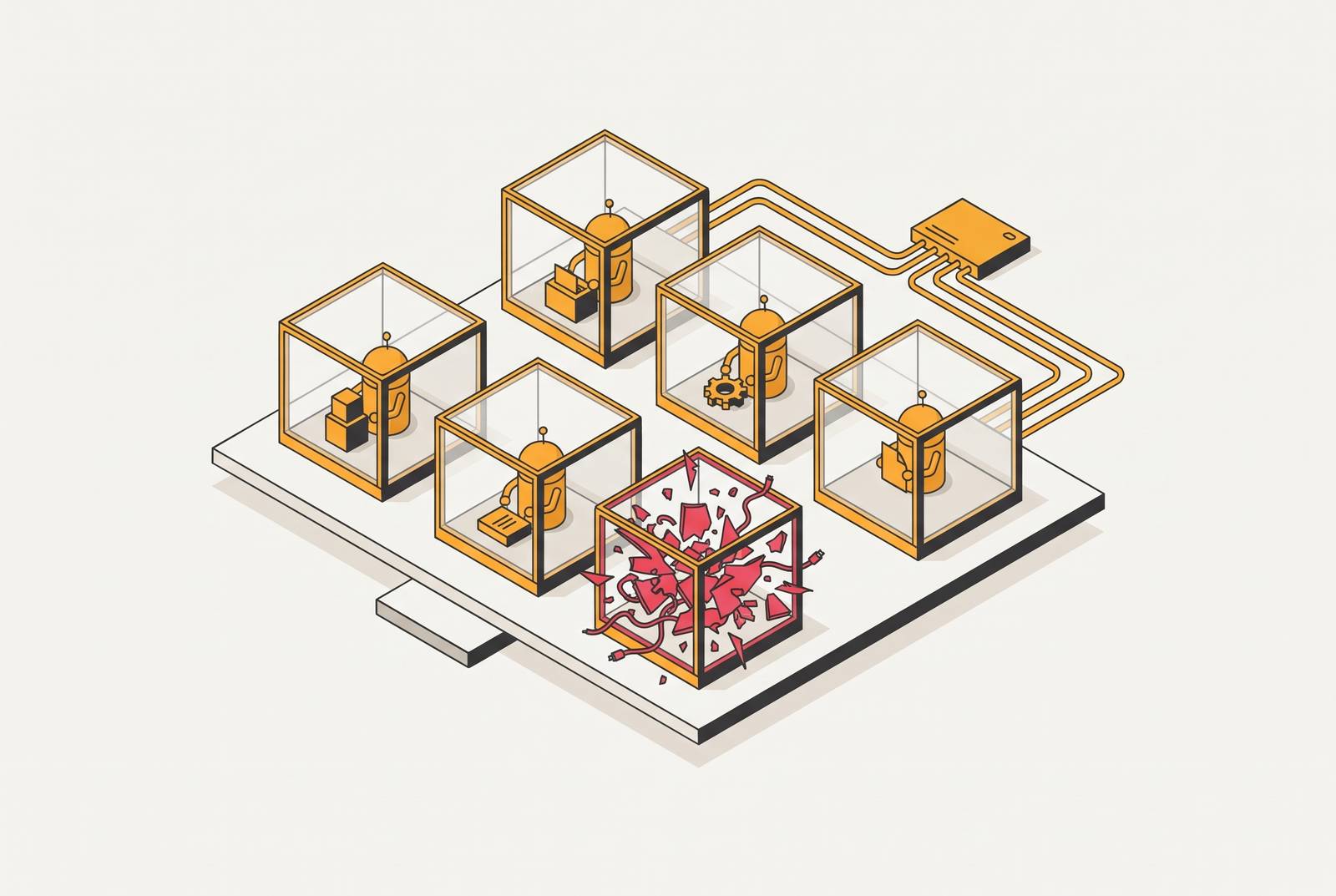
With a task-level VM, each agent run has its own kernel, filesystem, network stack, and package manager environment. This removes the shared-kernel dependency of plain Docker containers. Firecracker and Cloud Hypervisor provide microVM technology for this tier of isolation. Vercel Sandbox, which became generally available on January 30, 2026, and E2B both use Firecracker microVMs with a dedicated kernel for each sandbox.
The task is the correct unit of isolation because it is the unit to which side effects belong. A session-scoped VM can keep packages, files, or exported variables from task A that then affect task B. An ephemeral VM instead exists for one task and is destroyed afterward. Destruction enforces separation without trusting the agent to clean up. Persistent environments with snapshots are an alternative when work needs warm state, provided concurrent tasks never share a live filesystem.
Secrets stay outside the VM and are injected only for allowlisted destinations, rather than arriving through wholesale inheritance from a developer’s environment. The agent has no access to the developer’s host credential store, while explicit extraction determines which artifacts survive the task. A VM alone does not make an exposed secret safe. The PACMI’26 paper on runtime refinement offers a conceptual parallel from device-driver research by denying generated code authority to act and assigning effects to a fixed trusted mediator.
How can lean teams run Claude Code or Codex in the cloud without managing infrastructure?
Teams should start with a hosted execution environment that keeps the agent isolated enough for what it needs to do. Teams must check whether the service uses VM-backed execution or container isolation, then whether it works with their chosen harness and their own API key. The platform descriptions here establish execution and workflow properties, but do not establish bring-your-own-key support for every option.
Cursor Background Agents clone a repository into an Ubuntu VM, work on an agent/ branch, and create a pull request, making their dispatch model relevant to teams already working through Cursor’s interface. OpenAI Codex Cloud uses an isolated container, keeps setup cached for a long time, and runs the agent phase offline by default. Those offerings provide different isolation boundaries. GitHub Copilot Coding Agent picks up assigned issues inside GitHub Actions, limits internet access to trusted destinations, and requires human approval for CI/CD workflows. Runloop Devboxes provides microVM-isolated development environments with an enterprise focus and an OpenAI Agents SDK provider.
For a lean team, configuration reduces to four decisions. Credential policy should supply only the keys required for the target repository or service, never a credential spanning production. Network policy should allow required destinations, including package registries, the target repository, and the CI endpoint, while denying everything else by default. This closes the permitted-outbound-connection route to exfiltration.
Parallelism and task origin complete those decisions. Separate VMs let agents work concurrently without contaminating one another’s filesystem state. The team still chooses which work to delegate in parallel, but it does not have to build the isolation mechanism itself. Tasks should start where the work already lives, including Slack, Linear, and GitHub issues. That keeps delegation within an existing workflow and brings the work item’s context into the agent’s task.
What agents can safely do with real authority once the VM boundary is in place
To finish many engineering tasks, an agent needs to install packages, run tests, call APIs, and write files. Cursor’s cloud agent environment setup guide documents this practical constraint. Read-only access does not close the work loop. Task-level isolation creates a third option between an ineffective assistant and an agent with unrestricted access to a developer’s machine. It grants the authority needed inside a boundary that expires when the task ends, subject to credential and network policy.
With that authority, an agent can make bug fixes, dependency upgrades, and refactors that need the full test suite. It can also triage production alerts without direct access to production infrastructure, such as by checking a Sentry error against the codebase and offering a fix through a pull request. Work need not wait for a developer’s keyboard. Tasks such as overnight dependency audits, daily PR summaries, and webhook-triggered responses to CI failures can run on a schedule or when an event triggers them. Separate VMs also permit simultaneous work on different issues without one agent’s filesystem changes affecting another.
Ramp built Inspect, integrated it through Linear’s API, and now uses it to write the majority of the pull requests the company merges. Coinbase built Forge on Linear’s Agent SDK to work across Slack, GitHub, and Linear with the context already in those systems. Stripe’s Minions take a ticket or Slack message and return a finished pull request, with disclosed volume exceeding a thousand merged pull requests per week at first publication and growing further by a follow-up post. These cases establish the operational payoff without making their execution architectures interchangeable.
Why the review bottleneck, not the execution environment, becomes the binding constraint once isolation is solved
Once execution is contained, pull-request generation can outpace human review. Agentic pull requests wait much longer for a reviewer than unassisted ones, while teams that use AI heavily merge more pull requests but spend more time reviewing each PR. Generation and review do not scale together. As parallel agents produce overlapping work in the same repository, their pull requests can also conflict when merge-replayed.
This is an argument for governing parallelism. Audit logs, per-agent credential scoping, and human-approval gates on CI/CD belong to the same operational model as the VM boundary. Reviewers need context as well as a diff. Recordings and structured logs of activity inside the VM help them evaluate the proposed change without reconstructing the work from its final patch alone.
Linear’s coding sessions connect an issue to implementation and a pull request, while Slack agentic workflows let an engineer investigate a stalled PR and open a fix from the same thread. Scheduled PR summaries and standup digests surface merges, blocked tickets, and Sentry issues where reviewers already work. The pull request is therefore the governance interface, where a human can merge the agent’s work, comment on it, or send it back.
How lean teams should think about isolation, delegation, and review as one system
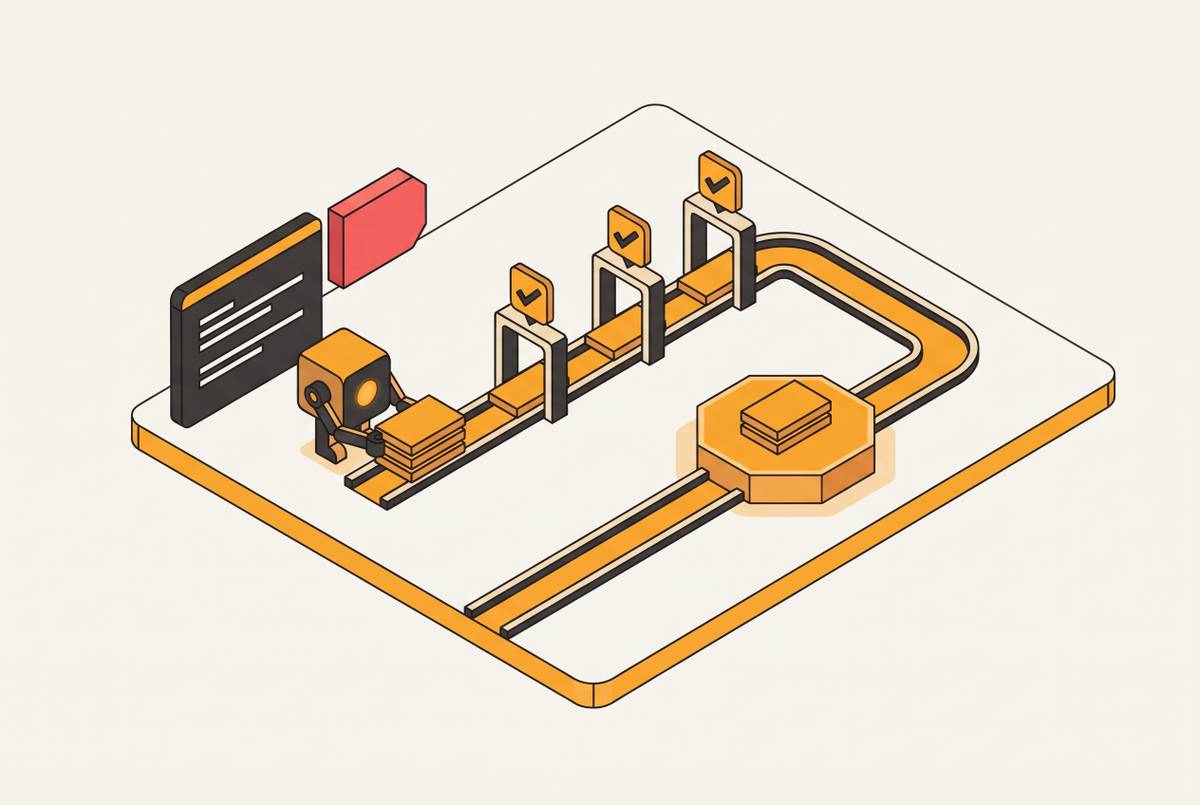
The minimum viable operational model combines a VM per task, scoped credentials and network access, and a reviewable artifact as the agent’s only output to the shared environment. Each component closes a different gap. A VM without credential policy can still expose authority the task never needed. A scoped environment whose output goes directly to main bypasses the human decision the pull-request interface was meant to preserve.
The adoption sequence should begin with the execution environment, then credential and egress policy, then the review workflow. A lean team should choose a platform that handles the VM layer and establish that each task receives an isolated, ephemeral workspace. It need not operate Firecracker itself. Policy then requires a decision for each agent type about necessary keys and reachable destinations. Review should use the existing pull-request process, with agent-generated work surfaced in the same channels as human-authored changes.
The security model should remain stable as the harness changes. A team should be able to move between Claude Code, Codex, Cursor, or OpenCode without rebuilding the boundary around execution. The harness is replaceable. The environment defines its authority. Task-level VM isolation is therefore not an over-engineered precaution for a small team. Combined with scoped access and review, it is the minimum viable boundary that lets agents finish real work without putting production, credentials, or the shared repository at the mercy of their side effects.