Why Sandbox Isolation Is a Lean Infrastructure Decision Not Just a Security One
Sandbox boundaries control costs, reproducibility, and scaling alongside security.
Sandbox isolation is a lean infrastructure decision because the boundary that contains untrusted code also governs compute costs, reproducibility, and parallel scaling. For engineering teams choosing cloud coding agents, those properties matter as much as what the model can do. Managed sandbox infrastructure can remove the burden of building an execution layer, but useful delivery also requires workflow integration, per-run attribution, and human review.
Why treating sandbox isolation as a security-only decision creates three separate engineering problems
Teams often use sandbox isolation to guard against untrusted execution and pay less attention to how it affects billing and whether the environment stays the same. An agent fixing a bug reads files, runs commands, installs packages, and executes tests before a human sees the diff. That activity needs to stay contained, but how it is contained also decides which resources keep running and what state survives between tasks.
That omission creates three separate engineering problems. Idle compute accumulates when the sandbox lifecycle has no connection to billing behavior. When environments differ, tasks can fail when run again, while more parallel sessions add infrastructure without the rules to manage it. Teams then tackle cost management, reproducibility, and scaling independently, even though all three depend on where the execution boundary sits and how it behaves. The avoidable expense is not only compute, but also the engineering work of repairing those decisions separately.
What the sandbox boundary actually controls at the infrastructure layer
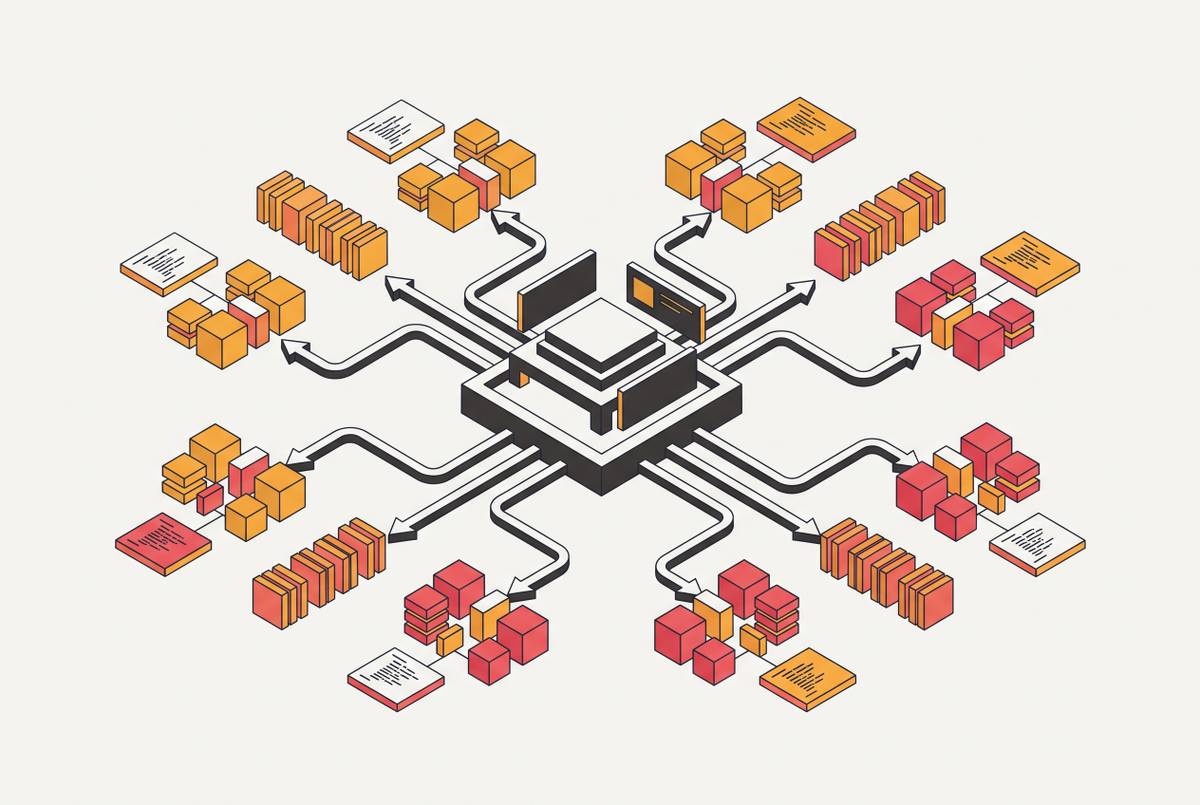
The sandbox boundary serves as a security perimeter, a billing unit, an environment specification, and a scaling handle. Its implementation determines how independently a workload can operate. Standard containers share the host kernel and start in milliseconds, so they work well for trusted workloads. That shared kernel also leaves room for a misbehaving agent process to affect neighboring workloads, complicating resource accounting and consistent execution.
Stronger isolation changes the unit being managed. gVisor intercepts syscalls in user space, adding an isolation layer without a full VM. MicroVM approaches give workloads their own kernels, making execution more self-contained. Northflank uses Kata Containers with Cloud Hypervisor where nested virtualization is available and gVisor where it is not.
For untrusted execution, the architectural principle is separation. The agent’s brain, memory, and credentials belong outside the sandbox, while the untrusted execution belongs inside a microVM or gVisor container. However, each implementation also has a startup cost. Firecracker microVMs start in roughly 125ms, so the choice between shutting down an idle sandbox and keeping it warm becomes a tradeoff between startup latency and continuous billing.
How the sandbox boundary becomes the primary lever for controlling agent compute costs
With independent execution units, a team can control idle billing by pausing, resuming, or ending one session without interrupting another. Shared or persistent infrastructure makes that separation harder. Every major sandbox platform bills compute per second while a sandbox runs, so instant availability has a price even when the agent is doing nothing. Platforms handle standby differently, including capped standby periods, compute release with snapshot restoration, and indefinite state retention without standby compute charges. Storage charges can still apply.
Agent workloads make this lifecycle decision especially consequential. A session may wait on a model response and then abruptly run a full build or test suite. Fixed reservations must accommodate the peak even when typical demand is much lower. Modal addresses that mismatch with per-second billing on the greater of requested and actual resources, plus automatic CPU and memory bursting above a configured baseline. Bursting also reduces out-of-memory failures when a task exceeds that baseline.
In-house Firecracker infrastructure requires engineering time and ongoing maintenance, so a managed service costing only a fraction of one engineer’s annual compensation can make internal development the larger expense. As continuous concurrency grows, however, provider charges become increasingly significant before token costs are added. A hundred continuously running sessions soon show when the cost of each session is too high. The sandbox boundary supplies the unit of control, but using that control requires budget controls and billing visibility.
Why sandbox isolation is the foundation of reproducible agent work, not just safe agent work
A sandbox can have efficient billing behavior and still provide an inconsistent environment. Shutting it down saves compute, but rebuilding it differently on every invocation introduces another source of failure. Environment consistency is not a model property. Whether an agent can repeat its work depends on the installed packages and versions, the services that are running, filesystem state, and network access rules. Filesystem state includes the checked-out code and test fixtures, and credential access must keep trusted control separate from untrusted execution.
A microVM has its own kernel and filesystem, so that environment can be defined as a self-contained whole. A specified image makes execution conditions repeatable, so differences in output are easier to distinguish from environmental noise. By contrast, rebuilding from scratch can introduce package-installation timing, network availability, and version-resolution variability. The same code may then succeed once and fail later. Isolation supports reproducibility only when the environment inside the boundary is specified consistently.
Persistence extends that consistency across unfinished tasks. Daytona’s documentation distinguishes filesystem preservation on stopped container sandboxes from memory-preserving pause, which is limited to VM sandboxes. These are different persistence guarantees. Their practical significance is whether an agent can resume its work or must reconstruct context, incurring more compute and another opportunity for inconsistency.
How sandbox isolation enables parallel agent scaling without multiplying infrastructure chaos
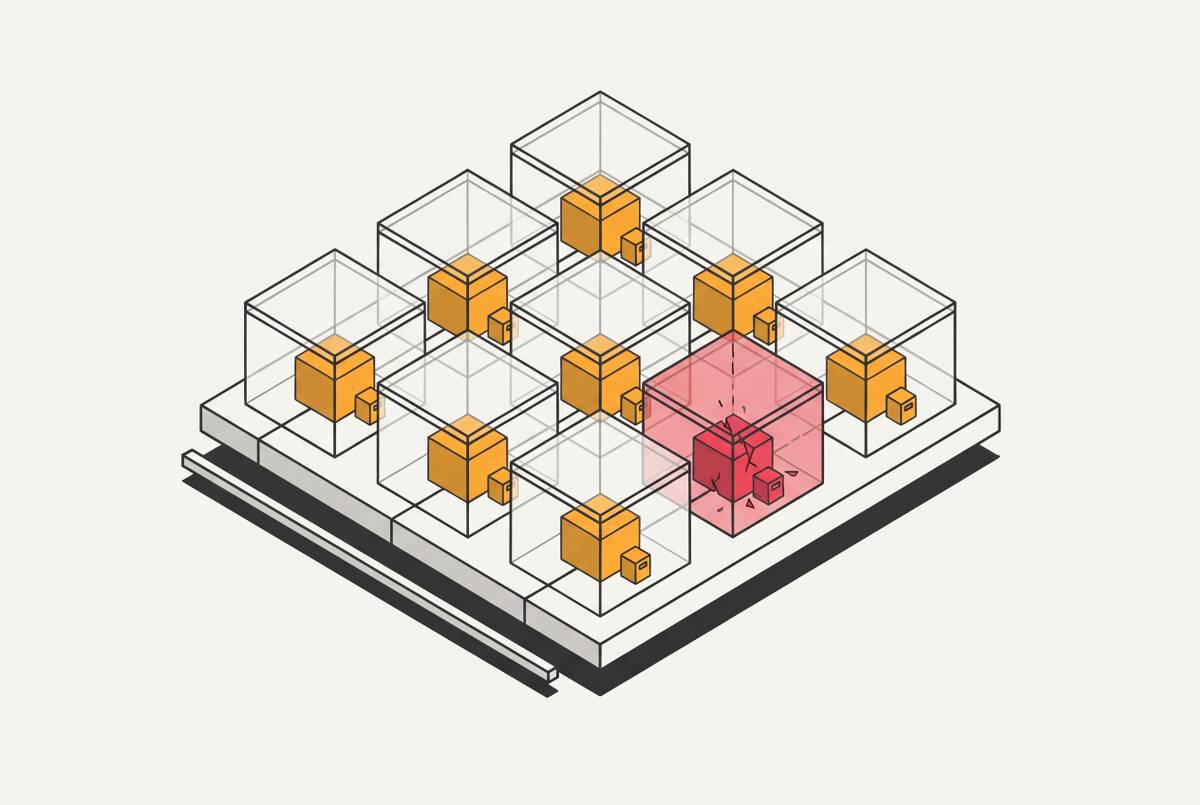
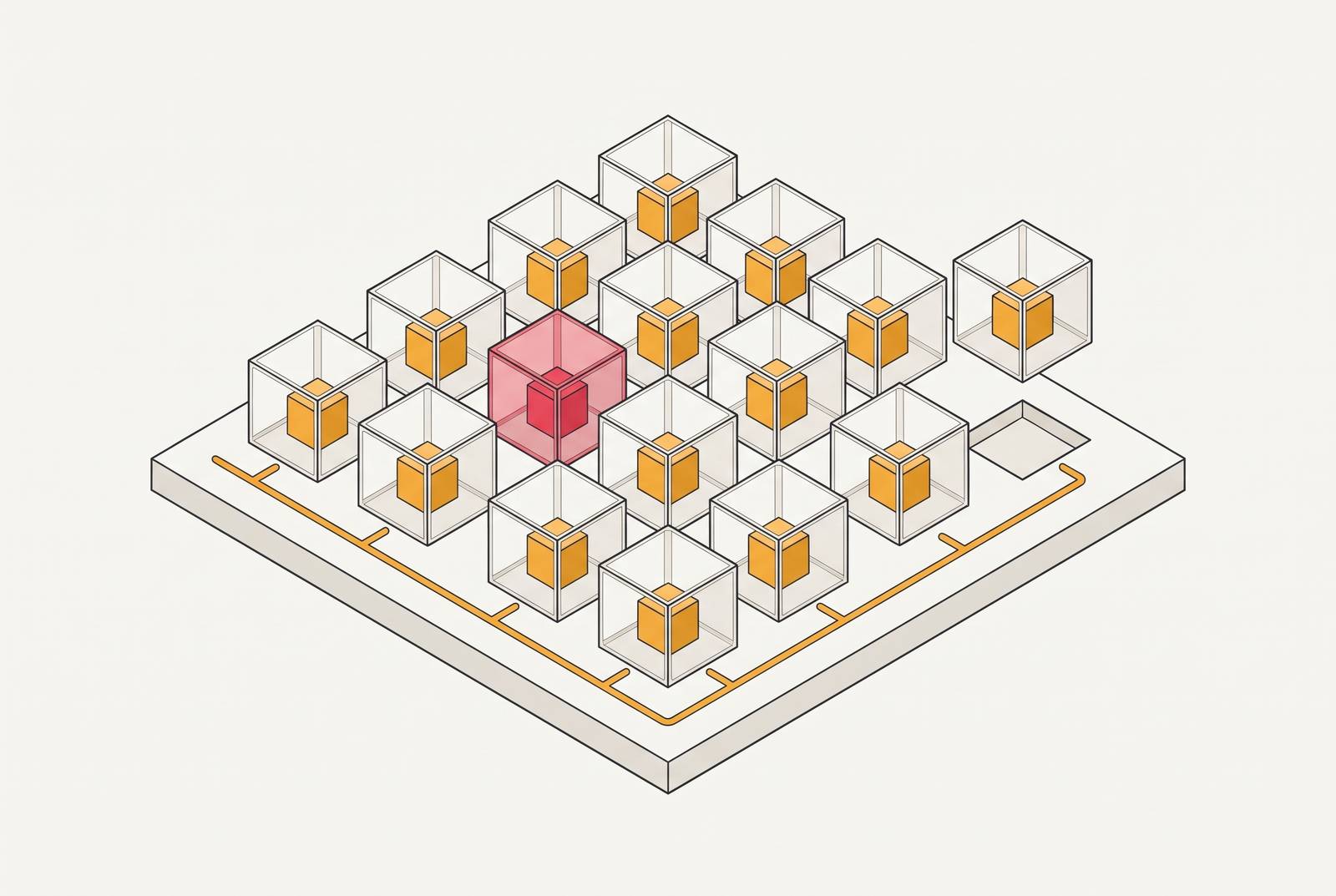
Horizontal scaling is easier to manage once each session has its own lifecycle and a defined environment. Without those boundaries, parallel agents can share state, credentials, and filesystem access, allowing one failure to corrupt another session. Resource consumption creates a similar risk when one agent starves its neighbors. Per-sandbox CPU, memory, and network limits constrain runaway workloads, while a failed session can terminate without taking others with it.
Modal reports regularly supporting tens of thousands of concurrent customer sandboxes and has demonstrated creating over a million sandboxes in under a minute. Its customers include Ramp and Cognition, which run production coding-agent workloads on the platform. At that volume, isolation must control how resources are shared and keep failures contained as well as limit individual commands.
Modal allows sandbox environments to be defined programmatically at runtime through its SDK, so agents can specify environments based on task requirements without pre-provisioning a separate environment class. Northflank offers bring-your-own-cloud deployment into a team’s cloud account, which is relevant when data residency or compliance requirements make shared multi-tenant infrastructure unsuitable.
How do engineering teams run cloud coding agents without managing infrastructure?
Managed sandbox infrastructure gives teams an execution layer without requiring them to build and maintain their own sandbox runtime. The remaining choice is what that layer lets an agent do. In the 2026 agent landscape, agent-native sandboxes such as Codex and Claude Code isolate execution for safety and can run unit tests inside the sandbox. They do not provide deployment to real environments, access to real databases, or a live preview URL. In that setup, people still have to do the work between passing tests and getting software to work.
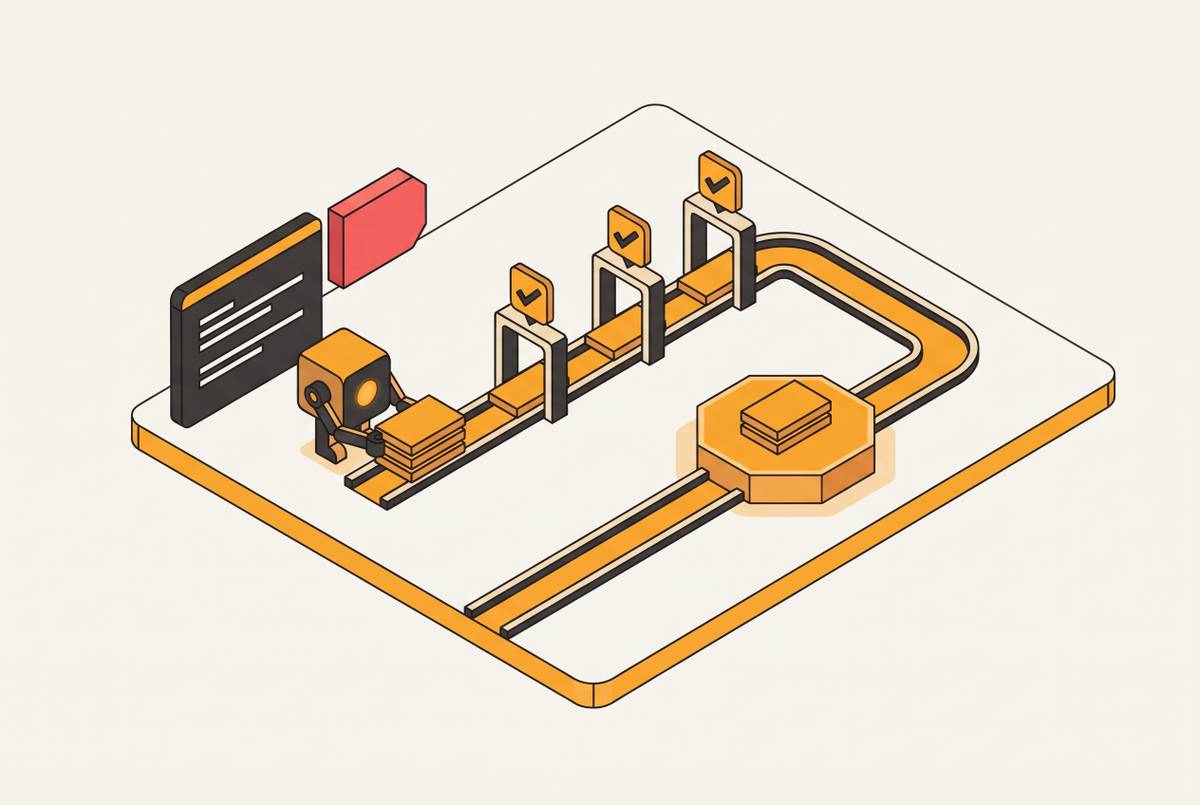
Full, isolated Linux environments support a broader verification workflow. They let agents install dependencies, run background services, drive a browser, and check their work before returning a pull request. When each run has its own VM pre-loaded with the team’s dependencies and tooling, the environment can function like a local developer machine while remaining reproducible across runs. This is a concrete selection criterion. Teams that need application-level verification need different execution tools from teams that want code generation and unit tests alone.
Agents can be triggered from Slack, Linear, GitHub, or GitLab and return a pull request, recording, or reply where work already happens. Those integrations are distinct from the underlying sandbox runtime and need evaluation in their own right. Per-run analytics down to source, harness, model, and credential connect execution time to accountable work. In this model, the human remains the assignee, the agent contributes, and the pull request provides a reviewable, reversible handoff.
The objection worth taking seriously: isolation only pays off if agent output gets reviewed and merged
Saving compute does not make teams more productive when agent pull requests go unmerged. Production is not the same as delivery. In Linear’s case, teams running coding agents went from roughly 21 to 65 weekly pull requests while teams without agents stayed near their baseline. Yet total product development time increased rather than decreased, with engineering time on creation and triage rising. Greater output can move the constraint into review.
LinearB’s 2026 benchmark identifies a related ownership problem, stating that AI pull requests are larger and their ownership is less clear, so they wait longer for someone to pick them up. That finding limits the infrastructure argument without invalidating it. Isolation can make execution cheaper, more consistent, and easier to scale, but it cannot make an unowned pull request deliver value. Review capacity remains a separate human constraint.
The practical response is to connect review governance to the workflow that triggers the agent. Code-ownership rules can assign the right human reviewer when the pull request opens, while stalled agent pull requests can be surfaced to engineering managers before they age out. Attribution analytics can then connect agent output to cycle time. This makes the bottleneck visible instead of assuming that faster execution means faster completion.
Deciding on sandbox isolation as an infrastructure choice, not a compliance checkbox
Engineering leaders should choose an isolation model with the cost behavior, reproducibility, and scaling properties their workload needs, while still requiring it to be secure. The workload supplies the decision frame. Short-lived, high-concurrency tasks favor fast starts, per-second billing, and burst capacity, with container isolation for trusted workloads or gVisor where a stronger boundary is needed. Long-running, stateful tasks favor microVM isolation with persistence, predictable standby behavior, and snapshot or perpetual-standby capability. Teams using multiple agent harnesses against a shared codebase need harness-agnostic environment configuration, pre-loaded dependencies, existing workflow triggers, and per-run attribution.
Scale changes the economics of that choice. At small scale, the engineering cost of building and maintaining sandbox infrastructure is often the dominant variable. When many sessions run continuously, the cost of each unit of managed infrastructure matters most. A fast startup or a low running rate cannot settle the decision alone because the workload’s idle periods, persistence needs, and concurrency determine the bill. The relevant comparison is the cost of supporting the actual session lifecycle.
To make that comparison actionable, teams need sandbox-level billing visibility tied to the agent, harness, and task. They also need environment specification as code, with the sandbox image versioned and tested like the application it runs. Review governance completes the requirement. The pull request should have an owner and a deadline before the agent runs and compute is spent. Sandbox isolation earns its place as lean infrastructure when the execution boundary also becomes the unit of cost, repeatability, and accountability.